Common Non-Prescription and Prescription Dry Eye Medications and Side Effects
Managing dry eye medications effectively can relieve irritation, improve comfort, and protect your ocular surface. Whether you’re reaching for over-the-counter drops or exploring prescription options, understanding each treatment’s benefits and potential side effects helps you make informed decisions. In this guide, we’ll walk through common non-prescription and prescription dry eye medications, what to expect when using them, and how to choose the right regimen for lasting relief.
Over-the-Counter (OTC) Dry Eye Treatments
Artificial Tears & Lubricating Drops
Purpose: Mimic natural tears to soothe irritation and wash away debris. Options:
Preservative-free drops (e.g., Refresh Optive, Systane Ultra) for frequent use without preservative buildup.
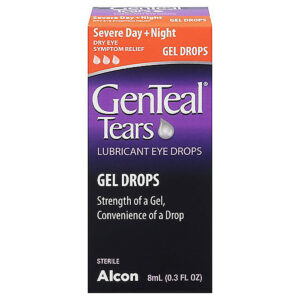
Gel drops (e.g., GenTeal Gel) for longer-lasting relief; ideal before bedtime. Side Effects: Temporary blurring; mild stinging at instillation.
Ointments & Nighttime Gels
Purpose: Create a protective barrier overnight when tear production is lowest. Options:
White petrolatum-based ointments (e.g., Refresh PM) are placed before sleep. Side Effects: Blurred vision on waking; best reserved for nighttime.
Purpose: Support tear quality and ocular surface health from within. Options:
Omega-3 fatty acid supplements (fish, flax, or algae-based) may support meibomian gland function.
A Mediterranean-style diet rich in fish, olive oil, nuts, vegetables, and whole grains is a practical way to increase omega-3 intake. Side Effects: Fishy aftertaste or mild GI upset with some supplements. Note: Discuss with your doctor if you’re on blood thinners or have dietary restrictions.
When to Consider Prescription Dry Eye Medications
If OTC care provides only brief relief—or if your dry eye is moderate to severe—your doctor may recommend prescription options that target ocular surface inflammation, low tear production, or excessive evaporation.
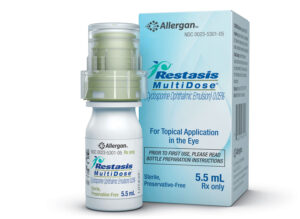
Mechanism: Immunomodulator that reduces ocular surface inflammation. Dosing: Typically 1 drop twice daily; benefit builds over weeks to months. Benefits: Can increase natural tear production and improve comfort over time. Common Side Effects: Temporary burning or stinging; mild redness.
Mechanism: Blocks LFA-1/ICAM-1 interaction to reduce inflammation on the ocular surface. Dosing:Twice daily. Benefits: Relief of symptoms and signs may begin within weeks. Common Side Effects: Temporary taste alteration (dysgeusia), mild irritation, transient blur on instillation.
Mild Corticosteroids (e.g., Loteprednol) — Short Courses Only
Mechanism: Potent anti-inflammatory effect to calm acute flares. Use: Short, supervised tapers to avoid steroid-related risks. Risks: Elevated intraocular pressure and cataract risk with prolonged or unsupervised use.
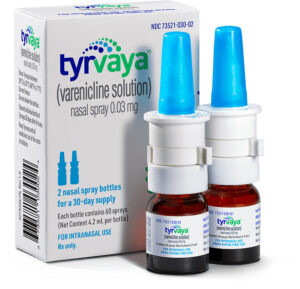
Varenicline Nasal Spray (Tyrvaya®) — Not an Eye Drop
Mechanism:Nasal spray that stimulates the trigeminal parasympathetic pathway to increase basal tear production. Dosing:One spray in each nostril, twice daily (~12 hours apart). Common Side Effects:Sneezing, throat or nasal irritation, cough.
Perfluorohexyloctane 100% (MIEBO®) — Evaporation-Targeting Drop
What’s new: A water-free drop designed to reduce tear evaporation, especially helpful in meibomian gland dysfunction. Use: As directed by your doctor (often several times daily). Common Side Effects: Temporary blurred vision or mild irritation.
What’s new: A 0.1% cyclosporine solution (different vehicle than emulsion) approved for signs and symptoms of dry eye. Dosing:1 drop twice daily ~12 hours apart. Common Side Effects: Instillation-site irritation; transient blur.
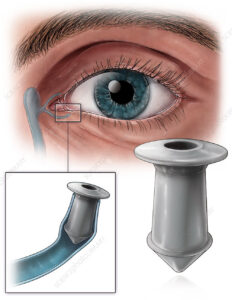
Purpose: Slow tear drainage so natural tears remain on the eye longer. What to Expect: Quick in-office placement; mild foreign-body sensation is possible.
Amniotic Membranes (e.g., PROKERA® and other cryopreserved membranes)
Purpose: A therapeutic biological dressing placed on the eye to calm inflammation, support epithelial healing, and protect the surface in moderate-to-severe disease. What to Expect: In-office placement; temporary foreign-body sensation; short-term wear.
Purpose: Addresses lid inflammation and improves the lipid layer to reduce evaporation. What to Expect: Series of sessions; brief skin redness is common; strict eye protection is used.
Choosing the Right Dry Eye Medication Regimen
Assess severity and subtype.
Your doctor will determine whether your dry eye is mainly aqueous-deficient, evaporative, or mixed.
Combine therapies intentionally.
Common pairings include preservative-free tears plus an anti-inflammatory drop; Tyrvaya® to boost basal tearing; MIEBO® for evaporation; and diet/omega-3 strategies as appropriate.
Monitor side effects and adherence.
Report persistent irritation, taste changes, or vision shifts after instillation.
Follow up regularly.
Scheduled check-ins ensure your regimen remains effective and protects the ocular surface.
Ready for Lasting Dry Eye Relief?
Effective management of dry eye starts with a personalized plan. Schedule your dry eye evaluation today to review your symptoms, explore the best non-prescription and prescription options, and get back to comfortable, clear vision.
FAQ: Dry Eye Medications
Common dry eye medications include over-the-counter artificial tears, lubricating gels, nighttime ointments, prescription anti-inflammatory drops, short-term steroid drops, and newer medications that target tear production or tear evaporation. The right option depends on the cause and severity of your dry eye.
Over-the-counter dry eye drops may help mild or occasional symptoms. If you use drops often, need them multiple times a day, or only get short-term relief, you may need an eye exam to check for inflammation, meibomian gland dysfunction, or another cause that requires prescription treatment.
Prescription dry eye medication may be recommended when symptoms are moderate, persistent, inflammatory, or not controlled with over-the-counter drops. Your doctor may recommend prescription drops, nasal spray medication, or another therapy based on whether your dry eye is related to inflammation, low tear production, or tear evaporation.
Yes. Some dry eye medications can cause temporary burning, stinging, blurry vision, redness, taste changes, nasal irritation, or other side effects. Steroid drops can carry additional risks if used too long without supervision, so they should only be used as directed by your doctor.
Some treatments may provide relief within days or weeks, while others can take several weeks or months to reach their full effect. Your doctor will explain what to expect and may schedule follow-up visits to check whether the medication is improving your symptoms and protecting your ocular surface.
Many patients use artificial tears along with prescription dry eye medication, but timing matters. Your doctor can tell you how long to wait between drops and which products are safest for your treatment plan, especially if you use multiple eye medications.
If your dry eye medication is not helping, do not stop or change your treatment plan without checking with your eye doctor. Your symptoms may be caused by tear evaporation, inflammation, blocked oil glands, medication side effects, or another eye condition that needs a different approach.
Yes. Southwestern Eye Center can evaluate your symptoms, tear film, eyelids, and ocular surface to help determine which dry eye medication or treatment option may fit your needs. Patients in Arizona and nearby communities can schedule an eye exam to review over-the-counter options, prescription medications, and advanced dry eye therapies.
Related Posts
Schedule An Appointment Online
Book your next eye care appointment online at a time that works for you. Our easy online scheduling tool makes it simple to find available appointments and request the care you need.