Ocular Surface Disease: Symptoms, Causes, and Treatment Options
Ocular surface disease is a group of eye conditions that affect the tear film, cornea, conjunctiva, and eyelids, leading to dryness, irritation, redness, and blurry vision. These problems are common, especially in dry, sunny climates like Arizona, and they can significantly affect comfort and quality of life if they are not treated. In simple
terms, ocular surface disease happens when the “front window” of the eye and the tears that protect it are no longer healthy or stable. That can be due to dry eye, eyelid problems, inflammation, autoimmune disease, long hours on screens,
medications, or even previous eye surgery. The good news is that most people can find real relief with the right diagnosis and a personalized treatment plan.
At Southwestern Eye Center, our eye doctors focus on both comfort and long-term eye health. We look at the entire ocular surface system, not just “how dry your eyes feel,” and then match
treatment options to your specific situation.
What Is Ocular Surface Disease?
The “ocular surface” includes:
The cornea – the clear dome over the colored part of your eye
The conjunctiva – the clear tissue covering the white of the eye and inside the eyelids
The tear film – a thin, complex layer of oil, water, and mucus that coats the eye
The eyelids and meibomian glands – structures that spread tears and produce the oily layer that keeps them from evaporating too
quickly.
Ocular surface disease refers to a group of disorders that disturb one or more of these structures. Common examples include:
Autoimmune-related surface problems (such as those linked to Sjögren’s syndrome)
Damage from previous infections, surgery, or chemical exposures.
When the ocular surface is unhealthy, the tear film becomes unstable. That instability leads to dry spots, inflammation, and microscopic damage to the epithelium (the top outer portion of the cornea covering the cornea and conjunctiva),
which in turn creates more irritation and symptoms.
Common Symptoms of Ocular Surface Disease
People with ocular surface disease can experience a wide range of symptoms. Some are obvious; others are easy to shrug off until they get worse. Typical symptoms include:
Dryness or a gritty, sandy, or scratchy feeling
Burning or stinging sensations
Red, irritated eyes
Blurred or fluctuating vision (often worse at the end of the day)
Sensitivity to light
A feeling like something is “in” the eye
Stringy mucus or discharge around the eyes
Watery eyes (reflex tearing triggered by dryness or irritation)
Discomfort with contact lenses
Trouble with nighttime driving
Eye fatigue after reading, working on screens, or driving
If you notice these symptoms most days of the week, or if they are affecting your work, hobbies, or sleep, it is a sign that the ocular surface needs attention.
Causes and Risk Factors
Ocular surface disease is usually multifactorial, which means several things are going on at once rather than a single cause. Aging and hormonal changes, especially after age 50 and in post-menopausal women, can make the
tear film less stable. Meibomian gland dysfunction, where the oil glands in the eyelids become clogged or damaged, can cause tears to evaporate too
quickly and leave the eye feeling dry and irritated. Autoimmune conditions such as Sjögren’s syndrome, rheumatoid arthritis, lupus, or thyroid disease can
also disrupt normal tear production and surface health. Your environment and daily habits play a big role as well. Dry or windy climates, air conditioning, indoor heat, dust, and smoke, which are all common in Arizona, can aggravate the
ocular surface. Long hours on screens or reading reduce how often you blink, which makes dryness worse. Contact lens wear, particularly long daily wear or sleeping in lenses, can further stress the surface. Certain medications, including
some antihistamines, antidepressants, blood pressure medications, and acne treatments, may reduce tear production. Structural issues and previous eye problems can contribute too. Incomplete eyelid closure, eyelid malpositions, or prior
eyelid surgery can prevent tears from spreading evenly across the eye. Previous eye surgery or trauma, including corneal procedures or chronic infections, may leave the surface more vulnerable. Because there are so many possible
contributors, a good workup looks at your eyes, your overall health, your medications, and your day-to-day environment before your eye doctor builds a treatment plan.
How Ocular Surface Disease Is Diagnosed at Southwestern Eye Center
Detailed history: We talk through your symptoms, how long they have been happening, what makes them better or worse, your medications, health conditions, and work/home environment.
Vision and refraction: To see how much the ocular surface is affecting visual clarity and stability.
Slit-lamp examination: A microscope exam to look closely at the cornea, conjunctiva, lids, and tear film.
Tear film and staining tests: Special dyes (like fluorescein or lissamine green) can highlight dry spots, irritated areas, or abnormal tear breakup patterns.
Meibomian gland evaluation: Gentle pressure and imaging can show whether the oil glands along your lids are blocked or atrophied.
Additional testing as needed: For example, tear osmolarity, inflammation markers, or referral for autoimmune evaluation if we suspect an underlying systemic condition.
The goal is to understand which parts of the ocular surface system are involved: tear quantity, tear quality, eyelid health, inflammation, nerve function, or a combination.
Treatment Options for Ocular Surface Disease
There is no one-size-fits-all treatment for ocular surface disease. Most patients feel best when several therapies are combined and adjusted over time as the surface heals. Common treatment categories include:
Amniotic membrane or bandage contact lenses for severe surface damage
Scleral contact lenses that vault over the cornea and hold a protective reservoir of fluid
Allergy management if allergic eye disease is contributing to inflammation
In some advanced cases linked to scarring or prior infections, more complex corneal or reconstructive procedures can be considered,
usually in collaboration with subspecialists. The most important point is that treatment is individualized. Your plan should change as your symptoms, signs, and test results change.
Living With Ocular Surface Disease: Daily Tips
Even with good medical treatment, everyday habits play a big role in how your eyes feel. Helpful strategies include:
Staying well-hydrated
Taking frequent visual breaks when reading or working on a computer
Positioning screens slightly below eye level so lids close more completely
Using preservative-free lubricating drops as directed
Wearing protective eyewear in windy, dusty, or very dry environments
Avoiding smoke exposure whenever possible
You should contact an eye doctor promptly if you notice:
Sudden or severe pain
Eye redness with decreased vision
Light sensitivity that is new or rapidly worsening
Symptoms after a recent infection, injury, or surgery
These can be signs of more serious surface disease or infection that needs immediate attention.
FAQ About Ocular Surface Disease
How do I know if I have dry eye or another type of ocular surface disease?Dry eye is a major part of ocular surface disease, but not the only cause. If you have persistent dryness, burning, or blurred vision, a comprehensive
exam can determine whether your symptoms come from tear quantity issues, tear quality issues, eyelid inflammation, allergies, or other surface problems.
Can ocular surface disease cause permanent vision loss?Mild to moderate disease mainly causes discomfort and fluctuating vision, but more severe or long-standing disease can cause corneal scarring, ulcers, or infections that
may permanently affect vision. Early diagnosis and treatment significantly reduce the risk of long-term damage.
Will I have ocular surface disease forever?Some people have temporary symptoms related to the environment, illness, or medications that improve once the trigger is removed. Others, especially those with chronic dry eye or
autoimmune conditions, may have long-term ocular surface disease that needs ongoing management. In both cases, treatment can greatly improve comfort and vision.
Can I wear contact lenses if I have ocular surface disease?It depends on the severity and cause. Some patients do well with daily disposable lenses or specialty lenses such as scleral contacts, while others may be more
comfortable in glasses, at least during flare-ups. Your eye doctor can guide you based on your exam.
When should I see a doctor for ocular surface symptoms?You should schedule an exam if your symptoms last more than a couple of weeks, interfere with daily activities, or include red eyes with pain, light sensitivity, or
decreased vision. An eye doctor can identify the cause and build a step-by-step plan to get your eyes more comfortable.
Southwestern Eye Center is Ready to Help
Ocular surface disease is common, especially in dry climates, but you do not have to live with burning, gritty, or constantly tired eyes. By understanding the full picture, tear film quality, eyelid health, inflammation, your environment,
and your overall health, your eye doctor can create a customized treatment plan that helps protect your vision and comfort over the long term. If you are noticing persistent dryness, irritation, or blurred vision, the team at Southwestern Eye Center is here to help. Schedule an eye exam to talk with an eye care specialist about your symptoms, get a thorough evaluation of
your ocular surface, and explore treatment options tailored to your needs.
Related Posts
Schedule An Appointment Online
Book your next eye care appointment online at a time that works for you. Our easy online scheduling tool makes it simple to find available appointments and request the care you need.
To provide the best experiences, we use technologies like cookies to store and/or access device information. Consenting to these technologies will allow us to process data such as browsing behavior or unique IDs on this site. Not consenting or withdrawing consent, may adversely affect certain features and functions.
Functional
Always active
The technical storage or access is strictly necessary for the legitimate purpose of enabling the use of a specific service explicitly requested by the subscriber or user, or for the sole purpose of carrying out the transmission of a communication over an electronic communications network.
Preferences
The technical storage or access is necessary for the legitimate purpose of storing preferences that are not requested by the subscriber or user.
Statistics
The technical storage or access that is used exclusively for statistical purposes.The technical storage or access that is used exclusively for anonymous statistical purposes. Without a subpoena, voluntary compliance on the part of your Internet Service Provider, or additional records from a third party, information stored or retrieved for this purpose alone cannot usually be used to identify you.
Marketing
The technical storage or access is required to create user profiles to send advertising, or to track the user on a website or across several websites for similar marketing purposes.



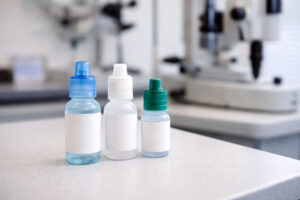

 Even with good medical treatment, everyday habits play a big role in how your eyes feel. Helpful strategies include: