Common eye infections, such as styes, pink eye, and ingrown eyelashes, are usually treatable, but they can still be painful and sometimes can threaten your vision if you ignore them. In simple terms, common eye infections cause redness, swelling, soreness, or discharge in or around your eyes, and you should schedule an exam if symptoms are strong, affect your vision, or last more than a few days.
This guide walks through some of the most common eye infections we see and what to do if you think something is wrong.
What Are Common Eye Infections?
Common eye infections usually involve the eyelids, eyelashes, or the clear surface of the eye. They can be caused by bacteria, viruses, blocked oil glands, allergies, or irritants like smoke and dust.
Typical signs of common eye infections include redness, swelling, soreness, crusting, tearing, discharge, and a feeling that something is in your eye. Some infections clear with simple care, but others need prescription treatment, so it is important not to ignore symptoms that are getting worse or not improving.
Styes and Chalazia: Painful Eyelid Bumps
A stye is a raised, swollen bump that forms on or near the eyelid. Eye doctors use two main terms to describe these bumps. A hordeolum is a tender bump at the lash line or edge of the lid. A chalazion is a larger bump deeper in the lid, usually from a blocked oil gland.
Both can look like a pimple on the eyelid. They can be sore, red, and sometimes embarrassing. A larger chalazion can even press on the eye and cause temporary blurry vision.
Symptoms of a Stye or Chalazion
You may first feel a small sore area on the lid that quickly becomes a red, tender bump. The skin around the bump can swell, and the eyelid may feel heavy or uncomfortable when you blink. If the bump grows, it can press on the cornea and blur your vision.
Treatment for Styes and Chalazia
Warm compresses placed on the closed eye several times a day often help smaller styes drain and feel better. Never squeeze or try to “pop” a stye, as that can spread infection.
You should see an eye doctor if the bump is large, very painful, keeps coming back, or does not improve after a few days of warm compresses. Your doctor may prescribe antibiotic drops or ointment. When a chalazion does not resolve, it can often be drained safely in a short office procedure with local anesthetic.
Pink Eye: Understanding Conjunctivitis
Pink eye, also known as conjunctivitis, happens when the thin membrane that covers the white of the eye and lines the inside of the eyelids becomes irritated or infected. This can be caused by viruses, bacteria, allergies, or irritants like smoke and chemicals.
Most cases of pink eye are mild, but some are very contagious or linked to more serious problems, so it is important to pay attention to how your eyes feel.
Symptoms of Pink Eye
Common symptoms include:
Redness on the white of the eye and inside the eyelids
Itchy, gritty, or burning feeling
Watery or mucus discharge
Crusting on the lashes when you wake up
If you notice strong light sensitivity, eye pain, or changes in your vision, you should contact an eye doctor promptly, since other conditions can look like simple pink eye but be more serious.
Pink Eye Treatment and Preventing Spread
Some mild cases of pink eye clear on their own in a few days. Your eye doctor can help you figure out if your conjunctivitis is viral, bacterial, allergic, or related to irritation. Treatment may include prescription drops or ointment, artificial tears, cool compresses, and allergy medication if needed.
To help prevent spreading infection, wash your hands often, avoid rubbing your eyes, do not share towels or makeup, and follow your doctor’s advice about returning to work or school.
Ingrown Eyelashes and Eye Irritation
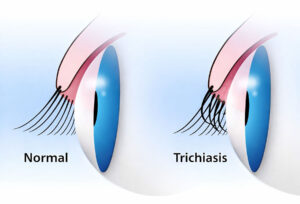
Not every eyelid bump is a stye. Sometimes an eyelash grows in the wrong direction and turns inward instead of pointing away from the eye. This is called trichiasis, or an ingrown eyelash.
At first, it may only feel like something is stuck in your eye that you cannot remove. Over time, the misdirected lash can rub the surface of the eye and cause redness, tearing, irritation, and light sensitivity. If it continues, it can scratch the cornea and raise the risk of infection or scarring.
Symptoms of an Ingrown Eyelash
People with ingrown eyelashes often notice:
A persistent “foreign body” feeling in the eye
Redness and tearing
Local irritation along the lid margin
Soreness or burning that does not improve with rinsing
If you feel like something is stuck in your eye and you cannot see it or rinse it out, it is time to see an eye doctor.
Treatment for Ingrown Eyelashes
Do not try to remove an ingrown eyelash on your own. A trained eye doctor can carefully remove the lash in the office and use a microscope to check for any scratches on the cornea.
If lashes keep growing inward, your doctor may recommend treatments that help redirect or permanently remove the problem lashes to protect the eye. This reduces ongoing irritation and lowers the risk of future infection and scarring.
Common Eye Infections: Quick FAQ
Are common eye infections always serious? Not always. Many common eye infections are mild and improve with simple care. However, any infection that causes severe pain, sudden vision change, or symptoms that last more than a few days should be checked by an eye doctor.
Can I treat a stye or pink eye at home? Warm compresses and good eyelid hygiene can help a small stye, and artificial tears can soothe mild irritation. You should see an eye doctor if the bump is large, keeps coming back, or if pink eye causes pain, thick discharge, or sensitivity to light.
When should I get urgent help for an eye infection? Seek urgent care if you have sudden loss of vision, severe pain, a large amount of discharge, a feeling that something is stuck that will not flush out, or symptoms after an injury or chemical splash.
Next Steps if You Suspect a Common Eye Infection
Common eye infections like styes, pink eye, and ingrown eyelashes are uncomfortable, but the right care at the right time can protect both your comfort and your vision. You do not need to wait for symptoms to become severe before asking for help.
If you notice redness, swelling, discharge, or pain that does not improve, the eye doctors at Southwestern Eye Center are here to help. Schedule a comprehensive eye exam so we can identify the cause, treat the infection, and help keep your eyes healthy.
Related Posts
Schedule An Appointment Online
Book your next eye care appointment online at a time that works for you. Our easy online scheduling tool makes it simple to find available appointments and request the care you need.