Cataract Diagnosis: How Eye Doctors Find Cataracts and Plan Treatment
Cataract diagnosis starts with a comprehensive eye exam that checks your vision, examines the lens inside your eye, and helps your doctor understand how cataracts may affect your daily life. Cataracts happen when the eye’s natural lens becomes cloudy, which can make vision look blurry, hazy, dim, or less colorful. The good news is that a cataract diagnosis gives you answers, a clearer plan, and a chance to talk through treatment options before vision changes interfere with the moments that matter.
Maybe night driving feels harder than it used to. Maybe your glasses prescription keeps changing. Or maybe sunny Arizona afternoons now feel harsher because glare seems to follow you everywhere.
Those changes can feel frustrating, but they do not have to stay confusing. At Southwestern Eye Center, patients across Arizona and New Mexico can receive cataract evaluations designed to identify cataracts, review symptoms, and guide the next step with confidence.
What Is A Cataract?
A cataract is a cloudy area that forms in the natural lens of the eye. The lens helps focus light so you can see clearly. When the lens becomes cloudy, light scatters before it reaches the retina.
That clouding can make everyday vision feel less sharp. Cataracts form when proteins in the lens break down, which can make vision look blurry, hazy, or less colorful.
Cataracts often develop slowly. Many people do not notice them at first. Over time, small changes can become more noticeable during reading, driving, watching television, or spending time outside in bright light.
Why Cataract Diagnosis Matters
A cataract diagnosis does more than name the problem. It helps your eye doctor determine whether cataracts are causing your symptoms or whether another eye condition is involved.
Blurry vision can come from many causes. Dry eye, glaucoma, diabetic eye disease, cornea problems, and outdated prescriptions can also affect how clearly you see. That is why an exam matters.
During a cataract evaluation, your doctor can examine the lens, assess your vision, and evaluate your overall eye health. The results help answer three important questions:
Do you have cataracts?
Are cataracts affecting your vision now?
Are you ready to discuss cataract surgery, or would you prefer to monitor changes?
That clarity can turn worry into a plan.
Common Symptoms That May Lead To A Cataract Evaluation
Many patients schedule an exam after noticing vision changes during everyday activities. Cataracts may affect distance, near, and peripheral vision; contrast; glare; and color perception.
Cataracts may cause cloudy vision, faded colors, poor night vision, light sensitivity, halos, double vision, and frequent changes in glasses prescription.
If these symptoms sound familiar, a cataract diagnosis can help you understand what is changing and what options may help.
How Eye Doctors Diagnose Cataracts
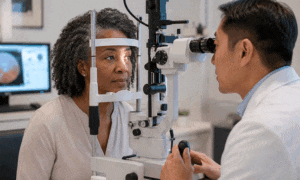
A cataract diagnosis usually happens during a comprehensive eye exam. Your care team may perform several tests to measure vision and examine the structures inside your eye.
A visual acuity test measures how clearly you see at different distances. You may read letters on an eye chart while each eye is tested separately.
This test helps your doctor understand how much your vision has changed. It can also show whether updated glasses may help or whether cataracts may limit improvement.
Slit-Lamp Exam
A slit-lamp exam lets your doctor look closely at the front structures of the eye. This includes the cornea, iris, and lens.
The slit lamp uses light and magnification. It helps your doctor see cataract clouding and evaluate how much of the lens it affects.
Dilated Eye Exam
During a dilated eye exam, your doctor uses drops to widen your pupils. This allows a better view of the lens, retina, and optic nerve.
Dilation helps your doctor check for cataracts and other eye conditions. This step matters because cataracts may not be the only reason your vision has changed.
Eye Pressure Testing
Your care team may also measure eye pressure. This test does not diagnose cataracts on its own, but it helps evaluate overall eye health.
Eye pressure testing can help detect glaucoma risk. That can be important when your doctor builds a complete treatment plan.
Lifestyle And Symptom Questions
Your doctor may ask how your vision affects your life. This part of the visit is important.
You may talk about night driving, reading, work, hobbies, glare, or trouble seeing in bright Arizona sunlight. Your answers help your doctor understand whether cataracts are mild, moderate, or interfering with daily life.
When Cataracts Need Treatment
Not every cataract needs surgery right away. Some patients can manage early symptoms with updated glasses, brighter lighting, or anti-glare lenses.
However, cataracts usually progress over time. When they start limiting your quality of life, your doctor may recommend cataract surgery.
Southwestern Eye Center explains that cataracts do not go away on their own and that cataract treatment ultimately requires surgery to remove the cloudy lens and replace it with a clear artificial lens.
Your doctor may recommend treatment when cataracts affect activities such as:
Driving safely, especially at night
Reading or working comfortably
Seeing faces clearly
Managing glare outdoors
Enjoying hobbies
Performing daily tasks with confidence
A cataract diagnosis helps your doctor decide whether observation or surgery makes more sense for your eyes.
What Happens After A Cataract Diagnosis?
After your exam, your doctor will explain what they found. If cataracts are mild, you may receive a new glasses prescription and a follow-up plan.
If cataracts affect your daily life, your doctor may recommend a cataract surgery consultation. This visit may include measurements that help plan the procedure and choose an intraocular lens.
The goal is not just to remove the cataract. The goal is to choose a vision plan that fits your eyes, your lifestyle, and your needs.
Lens Choices May Be Part Of Your Treatment Plan
Cataract surgery removes the cloudy natural lens and replaces it with an artificial lens called an intraocular lens. Your lens choice can affect how you see after surgery.
Southwestern Eye Center offers advanced technology lens options that may help patients see at one or multiple distances. Some options can also correct astigmatism.
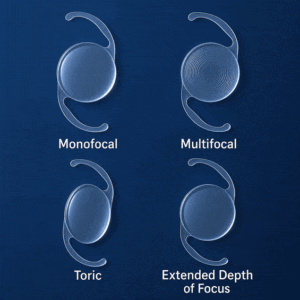
Your doctor may discuss options such as:
Monofocal lenses for one main distance
Toric lenses for astigmatism correction
Multifocal or extended focus lenses for a wider range of vision
Not every lens fits every eye. Your cataract evaluation helps your doctor match the option to your goals.
Cataract Diagnosis In Arizona And New Mexico
Southwestern Eye Center serves patients across Phoenix Metro, Northern Arizona, Southern Arizona, and New Mexico. That includes communities such as Mesa, Scottsdale, Tempe, Sun City, Cottonwood, Casa Grande, Sierra Vista, Yuma, Las Cruces, and Deming.
Local access matters when you need testing, counseling, surgery planning, and follow-up care. Cataract diagnosis is not a single moment. It is the beginning of a guided process.
Your care team can help you understand your results, compare treatment choices, and plan next steps close to home.
Questions To Ask During Your Cataract Evaluation
A good cataract visit should leave you feeling informed. Bring your questions, even the simple ones.
You may want to ask:
Do I have cataracts in one eye or both eyes?
How advanced are my cataracts?
Are cataracts causing my symptoms?
Could another condition affect my vision?
Do I need surgery now or later?
Which lens options fit my vision goals?
What will recovery look like?
How should I prepare for follow-up care?
These answers help you move from uncertainty to confidence.
See Clearly What Comes Next
A cataract diagnosis can feel like a turning point, but it can also bring relief because now you know what may be affecting your vision. If cloudy vision, glare, or poor night vision is making daily life harder, schedule a cataract evaluation with Southwestern Eye Center, so your doctor can examine your eyes, explain your options, and help you take the next step toward clearer vision.
FAQ: Cataract Diagnosis
A cataract diagnosis means your eye doctor has found clouding in the natural lens of your eye. Your doctor will also check how much the cataract affects your vision and daily activities.
Eye doctors diagnose cataracts with a comprehensive eye exam. Testing may include a vision test, a slit-lamp exam, a dilated eye exam, an eye pressure test, and questions about your symptoms.
Early cataract signs may include blurry vision, glare, halos around lights, faded colors, trouble seeing at night, and frequent changes in glasses prescription.
Some cataract changes may be visible without dilation, but a dilated eye exam gives your doctor a better view of the lens and retina. This helps confirm the diagnosis and check for other eye conditions.
Not always. Mild cataracts may only need monitoring or an updated glasses prescription. Surgery may become the best option when cataracts interfere with driving, reading, work, or daily life.
Southwestern Eye Center provides cataract evaluations across Arizona and New Mexico, including Phoenix Metro, Southern Arizona, Northern Arizona, Las Cruces, and Deming. A local exam can help you understand your symptoms and next steps.
Related Posts
Schedule An Appointment Online
Book your next eye care appointment online at a time that works for you. Our easy online scheduling tool makes it simple to find available appointments and request the care you need.