Signs of Optic Nerve Damage and When to See an Eye Doctor
The signs of optic nerve damage can be subtle, sudden, or easy to miss until vision changes become harder to ignore.
Signs of optic nerve damage can include blurred vision, dim vision, blind spots, reduced side vision, dull colors, eye pain, sudden vision loss, or trouble seeing clearly in low light. Some optic nerve problems develop slowly, especially glaucoma. Others may appear suddenly and require urgent medical attention.
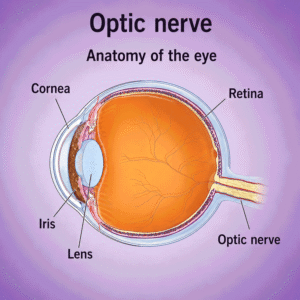
Think of the optic nerve like the communication cable between your eye and your brain. Your eye captures visual information, but your brain cannot interpret that information clearly if the optic nerve becomes damaged. That is why optic nerve health plays such an important role in how well you see, how safely you move through the world, and how early your doctor can detect certain eye diseases.
At Southwestern Eye Center, patients across Arizona can schedule a comprehensive eye exam, glaucoma evaluation, retina evaluation, or medical eye care visit when symptoms suggest a possible concern with the optic nerve or vision health.
What the Optic Nerve Does
The optic nerve carries visual signals from the retina to the brain. When this nerve works well, your brain receives a clear signal from the eye. When disease, pressure, inflammation, poor blood flow, trauma, or swelling affects the optic nerve, vision can change.
Optic nerve damage can affect central vision, peripheral vision, color vision, contrast sensitivity, or overall visual clarity. The changes may feel obvious, or they may stay hidden until an eye exam detects them.
That is why symptoms matter, but testing matters even more. Some patients with early optic nerve damage do not notice anything wrong at first.
The Most Common Signs of Optic Nerve Damage
Optic nerve damage does not look the same for every patient. The symptoms depend on the cause, the rate of damage progression, and which nerve fibers are affected.
Common signs may include:
Blurred or hazy vision
Dim vision, as if someone lowered the lights
Blind spots or missing areas in vision
Reduced side vision
Faded or washed-out colors
Trouble seeing contrast
Pain behind the eye or pain with eye movement
Sudden vision loss in one eye
Headache with vision changes
Halos around lights, nausea, or eye pain
Difficulty navigating stairs, curbs, or crowded spaces
Vision that seems worse in low light
These symptoms do not always indicate optic nerve damage. Cataracts, dry eye, retina conditions, cornea problems, migraines, and prescription changes can also affect vision. An eye exam helps identify the real cause.
When Optic Nerve Symptoms Need Urgent Care
Some vision changes need fast attention. Do not wait for a routine appointment if symptoms appear suddenly or feel severe.
Seek urgent medical care if you notice:
Sudden vision loss in one or both eyes
A new dark area, curtain, shadow, or missing section of vision
Severe eye pain
Eye pain with nausea, vomiting, or halos around lights
New weakness, numbness, confusion, dizziness, facial drooping, or trouble speaking
A sudden change in vision after an injury
Sudden vision changes with a severe headache
These symptoms can point to a serious eye or neurological problem. Fast evaluation can protect your vision and your overall health.
Glaucoma and Optic Nerve Damage
Glaucomais one of the most common causes of optic nerve damage. It often develops when pressure inside the eye rises or when the optic nerve becomes vulnerable to increased intracranial pressure. Over time, glaucoma can damage nerve fibers and cause permanent vision loss.
The tricky part is that glaucoma often starts quietly. Many people with early open-angle glaucoma have no pain and no obvious symptoms. As the disease progresses, it may cause patchy blind spots, reduced peripheral vision, difficulty seeing in low-contrast conditions, or tunnel-like vision in advanced cases.
Southwestern Eye Center provides glaucoma testing and treatment options across Arizona. A glaucoma evaluation may include eye pressure testing, optic nerve evaluation, visual field testing, imaging, corneal thickness measurement, and drainage angle assessment when needed.
Optic neuritis happens when inflammation affects the optic nerve. It often causes changes in vision in one eye and may develop over hours or days.
Possible signs include:
Blurred vision
Dim vision
Pain behind the eye
Pain with eye movement
Reduced color brightness
Temporary vision loss
Flashing lights or visual disturbances
Optic neuritis can be associated with inflammatory, autoimmune, infectious, or neurological conditions, so it requires a careful medical evaluation. If you experience sudden vision loss or eye movement-related pain, schedule prompt care or seek urgent evaluation.
Poor Blood Flow to the Optic Nerve
The optic nerve needs healthy blood flow. When blood flow drops or becomes interrupted, optic nerve damage can happen suddenly. Our doctors may describe this as ischemic optic neuropathy.
This type of optic nerve problem can cause sudden vision loss, often in one eye. It may appear as blurred vision, a blind spot, darkened vision, or reduced visual clarity.
Patients over 50, especially those with vascular risk factors, should take sudden vision changes seriously. High blood pressure, diabetes, sleep apnea, cardiovascular disease, and certain inflammatory conditions can all affect eye and nerve health.
Southwestern Eye Center can evaluate vision changes and help guide next steps when symptoms suggest an optic nerve, retina, or medical eye concern.
Retina Problems Can Mimic Optic Nerve Symptoms
Not every blind spot, shadow, or sudden vision change comes from the optic nerve. Some symptoms that feel like optic nerve damage may come from the retinaor macula.
Diabetes can affect the eyes in several ways. Many patients know diabetes can damage the retina, but blood sugar changes and vascular health can also influence vision and eye nerve function.
People with diabetes should not ignore blurry vision, sudden changes, dark spots, or trouble seeing details. These changes may be associated with diabetic retinopathy, macular edema, optic nerve concerns, or other eye health issues.
An optic nerve evaluation includes more than reading an eye chart. Your doctor may use several tests to understand how well the optic nerve looks and functions.
Retina imaging, when macular or retinal disease may play a role
Review of medical history, medications, and family history
This testing helps your doctor connect symptoms to the right diagnosis. It also helps track changes over time, which matters for conditions like glaucoma.
Can Optic Nerve Damage Be Reversed?
Some causes of optic nerve-related vision changes may improve with treatment, especially when inflammation, swelling, or other treatable conditions are caught early. However, optic nerve damage from glaucoma and some vascular events can become permanent.
The main goal is to find the cause, protect the vision you still have, and reduce the chance of further damage. That is why early detection matters.
If you have been told you have high eye pressure, glaucoma, optic nerve thinning, abnormal visual field results, or unexplained vision loss, follow-up care can make a meaningful difference.
Which Southwestern Eye Center Service May Fit Your Symptoms?
The right service depends on your symptoms and exam findings.
A comprehensive eye exam may help if you have blurry vision, vision changes, a family history of eye disease, diabetes, high blood pressure, or concerns about your overall eye health.
A glaucoma evaluation may be helpful if you have high eye pressure, optic nerve thinning, reduced peripheral vision, abnormal visual field results, or a family history of glaucoma.
A retina evaluation may help if you have diabetes, symptoms of macular degeneration, flashes, floaters, dark shadows, distorted vision, or sudden changes in vision.
Low vision support may help if permanent vision loss has affected daily activities and you need tools, lighting strategies, or visual aids to use your remaining vision more effectively.
Protect Your Sight With the Right Eye Exam
The signs of optic nerve damage can be easy to overlook, especially when vision changes happen slowly. If you notice blurred vision, dim vision, side vision changes, blind spots, dull colors, eye pain, or sudden vision loss, schedule an eye exam with Southwestern Eye Center. Our Arizona eye care team can evaluate your optic nerve, check for glaucoma and retinal disease, and help you understand the next step to protect your vision.
FAQ: Signs of Optic Nerve Damage
The first signs of optic nerve damage may include blurred or dim vision, blind spots, reduced peripheral vision, dull colors, or difficulty seeing contrast. However, some causes, especially glaucoma, may not create noticeable symptoms early. A comprehensive eye exam can detect changes before you notice vision loss.
Yes. Glaucoma can damage the optic nerve slowly and quietly, often without pain or obvious early symptoms. That is why eye pressure testing, optic nerve evaluation, and visual field testing matter, especially if you have risk factors.
You should worry if vision changes appear suddenly, affect one eye, cause eye pain, include halos, nausea, or vomiting, create a new blind spot, or occur with weakness, numbness, confusion, dizziness, or trouble speaking. These symptoms need urgent medical evaluation.
Optic nerve damage can come from glaucoma, inflammation, poor blood flow, swelling, trauma, tumors, infections, autoimmune conditions, or certain neurological problems. Eye exams and medical history help your doctor identify the likely cause.
Yes. Glaucoma is a major cause of optic nerve damage. It can gradually damage nerve fibers, leading to permanent vision loss, often starting in the peripheral vision. Southwestern Eye Center offers glaucoma testing and treatment options across Arizona.
Yes. Optic nerve damage can cause blurry vision, dim vision, blind spots, reduced side vision, dull colors, or other changes in visual quality. Because many eye conditions can cause blurred vision, an exam is the safest way to identify the cause.
Some optic nerve-related vision changes may improve if the cause is treated quickly, but damage from glaucoma or poor blood flow can become permanent. Early diagnosis gives your doctor the best chance to protect remaining vision.
Your doctor may check eye pressure, examine the optic nerve during a dilated exam, order optic nerve imaging, perform visual field testing, and review your medical and family history. These tests help detect glaucoma, optic nerve thinning, blind spots, and other warning signs.
Diabetes can affect eye health by altering blood vessels, the retina, and overall circulation. Blurry vision, dark spots, sudden changes in vision, or trouble seeing details should be evaluated, especially if you have diabetes.
Southwestern Eye Center provides comprehensive eye exams, glaucoma evaluations, retina care, and medical eye care across Arizona. Your care team can help determine whether your symptoms point to the optic nerve, retina, eye pressure, or another cause.
Related Posts
Schedule An Appointment Online
Book your next eye care appointment online at a time that works for you. Our easy online scheduling tool makes it simple to find available appointments and request the care you need.