Routine & Comprehensive Eye Exams

Whether you need a routine or comprehensive eye evaluation, scheduling regular eye exams with Southwestern Eye Center is one of the simplest ways to protect your vision. With locations across Arizona, our eye doctors make it easy to access care close to home.

Close-up of patient during a routine vs comprehensive eye exam testing vision and eye condition

Understanding Eye Exams

Taking care of your eyes isn’t just about seeing clearly; it’s about protecting your long-term vision and overall health. Whether you need an updated glasses prescription or want to ensure your eyes are healthy, understanding the difference between a comprehensive and routine eye exam can help you make the right choice for your care.

Both types of exams play an important role, but they serve different purposes. Knowing when to schedule each one can help you catch problems early, avoid vision loss, and stay ahead of changes in your eyesight.

What is a Comprehensive Eye Exam?

A comprehensive eye exam evaluates your vision and the overall health of your eyes, helping detect early signs of eye disease even before you notice symptoms. Your eye doctor will:

  • Review your full medical and family history
  • Check your vision and update your prescription if needed
  • Measure eye pressure (important for glaucoma detection)
  • Examine the front of your eye (cornea, lens, and more)
  • Evaluate how your eyes work together and focus
  • Perform a dilated eye exam to examine the retina and optic nerve
  • Conduct additional testing, such as visual field testing, if needed


Dilation allows our eye doctors to detect common eye conditions, such as diabetic retinopathy, glaucoma, and age-related macular degeneration.

Play Video
Video thumbnail
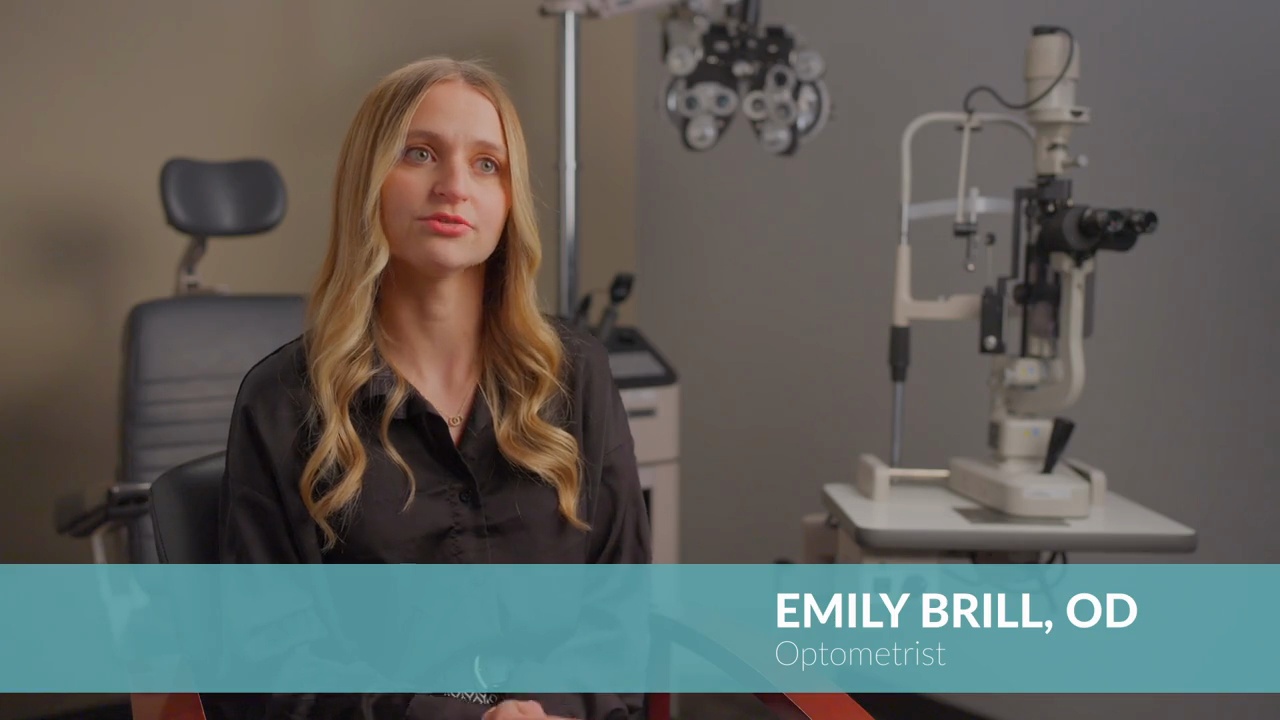
Technician reviewing eye imaging during a routine vs comprehensive eye exam.

What is a Routine Eye Exam?

A routine eye exam (sometimes called a vision exam) focuses on how well you see. It is designed to answer two main questions: “Do you need vision correction, and what prescription is right for you?” Routine exams are essential if you wear glasses or contacts, but they do not provide a thorough assessment of your eye health.

During a routine eye exam, your doctor will:

  • Test your visual acuity (how clearly you see at different distances)
  • Perform a refraction test to determine your exact prescription
  • Ask about eye strain, headaches, or screen use
  • Check basic eye alignment and focusing

Not sure which eye exam you need?

Our scheduling team can help guide you based on your symptoms, insurance, prescription needs, and eye health history. Schedule an appointment with Southwestern Eye Center to take the next step. Southwestern Eye Center provides routine vision exams and comprehensive medical eye exams at locations throughout Arizona, including the Phoenix metro areas: Mesa, Scottsdale, Tempe, Surprise, Sun City, Casa Grande, Yuma, Sierra Vista, and Cottonwood.

How Often Should You Get an Eye Exam?

A comprehensive eye examination is paramount to supporting good eye health and can be necessary at different points throughout your life. Here are three instances when you may need a comprehensive eye exam:

1. During Adulthood: As an adult, you should have a comprehensive eye exam at least once every two years, even if you do not wear glasses or contacts, to ensure that your eyes are healthy and to check for any signs of eye disease.

2. With Risk Factors: If you have certain risk factors for eye diseases, such as a family history of glaucoma or macular degeneration, or if you have certain medical conditions like diabetes, high blood pressure, or autoimmune diseases, you may need more frequent eye exams.

3. As You Age: As you get older, your risk for eye diseases such as cataracts, glaucoma, and age-related macular degeneration increases. It is recommended that adults over 60 have annual comprehensive eye exams to monitor their eye health and detect problems early.

What Insurance Do I Need For an Eye Exam?

Vision Vs. Medical Insurance

Medical insurance should be used to cover your comprehensive medical eye exam. You do not need vision insurance for this type of exam. Medical insurance should also be used for the further management of eye conditions and treatments.

Vision Insurance is a benefit that can typically only be used once a year and will likely cover your regular eye exam. You may also have vision benefits that can be used toward the purchase of glasses or contacts.

Please note that even if you have both vision and medical insurance, you cannot use both for the same visit. For example, if you schedule a comprehensive medical eye exam, you will have an additional charge to obtain your eyeglass prescription if you are trying to use both benefits at the same time.

If you schedule a regular vision eye exam, you will receive your prescription as part of those benefits. If, however, during your regular vision appointment, you are diagnosed with a medical eye-related issue or require additional treatment, our team may recommend that you use your medical insurance to reduce your cost.

Take a look at this helpful chart to further discern the differences between Vision and Medical Insurance.


Vision Insurance Medical Insurance
Covers some eye care services like regular eye exams and refractive services. Covers medical eye care services, including the management of eye diseases and comprehensive medical eye exams.
Benefits typically include an allowance toward glasses and/or contact lenses. Only covers materials if you have a Health Savings Account (HSA) or Flexible Spending Arrangement (FSA).
Benefit can only be used one time per calendar year or one time every other year. Benefit can be used multiple times throughout the year.


If you have further questions about which insurance benefit to use for your eye exam, please ask your patient representative during scheduling, or Contact Us anytime.

Discover More Helpful Resources

Senior Eye Health Guide

Find answers to all your questions about age-related eye problems and how to maintain good eyesight as you get older.

Download Now

Prepare for an Eye Exam

Read about how you can best prepare for an eye exam. Learn what questions to ask and how to get the most out of your exam.

Read More

Optical Shops

Southwestern Eye Center provides optical services in many of our locations across Arizona.

Find an Optical Shop

FAQ: Routine and Comprehensive Eye Exams

A routine eye exam focuses mainly on how clearly you see and whether you need glasses or contact lenses. A comprehensive eye exam evaluates your vision and the overall health of your eyes, including signs of eye diseases such as glaucoma, cataracts, diabetic eye disease, and macular degeneration.

If you only need an updated glasses or contact lens prescription and do not have symptoms or known medical eye concerns, a routine eye exam may be appropriate. If you have eye pain, vision changes, diabetes, high blood pressure, a family history of eye disease, or concerns about your eye health, a comprehensive eye exam may be the better choice. Southwestern Eye Center’s scheduling team can help guide you based on your symptoms, insurance, and eye health history.

Many adults benefit from a comprehensive eye exam at least every one to two years, even if they do not wear glasses or contacts. You may need more frequent exams if you are over 60, have diabetes, have high blood pressure, have a family history of glaucoma or macular degeneration, or have been diagnosed with an eye condition.

A comprehensive eye exam may include a review of your medical and family history, vision testing, eye pressure measurement, prescription testing, and a detailed evaluation of the front and back of the eye. Your doctor may also dilate your pupils or recommend additional testing if needed to check the retina, optic nerve, or other parts of your eye health.

Yes. Southwestern Eye Center provides routine and comprehensive eye exams at locations throughout Arizona, including Phoenix metro communities such as Mesa, Scottsdale, Tempe, Surprise, and Sun City, as well as Casa Grande, Yuma, Sierra Vista, Cottonwood, and other nearby areas. You can schedule online or find a nearby location to choose the office that works best for you.

Vision insurance is often used for routine eye exams, glasses, and contact lens prescriptions. Medical insurance is generally used for comprehensive eye exams, diagnosis of eye diseases, and ongoing treatment or management of eye conditions. Because benefits vary, Southwestern Eye Center can help you understand which insurance may apply when you schedule your visit.

Schedule an eye exam promptly if you notice sudden vision changes, eye pain, flashes of light, new floaters, blurry vision, double vision, halos, severe redness, or vision loss. You should also schedule sooner if you have diabetes, high blood pressure, a known eye condition, or symptoms that make reading, driving, working, or daily activities harder.

Our Doctors

Our optometrists are equipped to handle all of your eye concerns. Take a look at some of our doctors who provide comprehensive eye exams across Arizona.