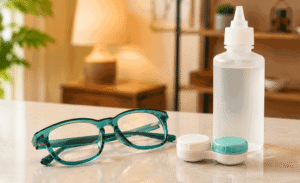
Glasses vs. Contact Lenses: Pros, Cons, and How to Choose
Choosing between glasses and contact lenses depends on your prescription, eye health, daily routine, comfort preferences, and your willingness to properly care for contact lenses. Glasses are simple, reusable, and require little maintenance. Contact lenses offer a wider field of vision and more freedom during exercise, sports, and other activities.
You do not necessarily have to choose one or the other. Many people use glasses most of the time and wear contact lenses for exercise, special occasions, travel, or days when frames feel inconvenient.
Require consistent cleaning, replacement, and hygiene
Sports and exercise
May slip, fog, or interfere with equipment
Often more convenient for active lifestyles
Eye comfort
Do not touch the eye
May feel dry or irritating for some wearers
Infection risk
Very low with normal use
Higher when lenses are worn or cleaned improperly
Ongoing cost
Frames and lenses may last for years
Replacement lenses and supplies create recurring costs
Style
Frames can be a fashion accessory
Keep the face unobstructed and work with nonprescription sunglasses
Weather
May fog or collect water spots
Do not fog in changing temperatures
Backup option
Ready to wear when needed
Glasses should still be kept as a backup
Neither option is automatically better. The best choice is the one that fits your eyes, prescription, habits, and lifestyle.
Benefits of Switching From Glasses to Contact Lenses
Contact lenses provide a wider field of vision
Contact lenses sit directly on the surface of the eye and move with your eyes. This can provide clearer peripheral vision without the edges, reflections, or distortions sometimes caused by eyeglass frames.
This wider field of vision may be especially helpful while:
Driving
Exercising
Playing sports
Moving through crowded spaces
Participating in activities that require quick visual tracking
Contacts also do not fog when you move between the Arizona heat and an air-conditioned building.
Contacts can make physical activity easier
Glasses may slide down your nose, bounce during movement, or interfere with helmets and protective equipment. Contact lenses stay with your eyes, which can make running, hiking, cycling, fitness classes, and many sports more comfortable.
Contact lenses are not a replacement for protective eyewear. You should still wear proper eye protection when an activity carries a risk of injury.
You can change your appearance without frames
Some people enjoy glasses as part of their personal style. Others prefer seeing their face without frames or want the flexibility to wear nonprescription sunglasses.
Contact lenses can also make it easier to:
Wear certain hats or helmets
Use binoculars or camera viewfinders
Apply eye makeup without frames getting in the way
Switch between glasses and a frame-free appearance
A participating Southwestern Eye Center optical shop can also help you choose prescription glasses or sunglasses to keep as a stylish backup.
Disadvantages of Contact Lenses
Contact lenses require more daily care
Glasses can usually be cleaned quickly and placed in a case after you finish wearing them. Contact lenses require more attention.
Depending on the lens type, you may need to:
Wash and dry your hands before handling lenses
Clean and disinfect reusable lenses
Replace lenses according to the schedule
Keep the lens case clean
Avoid exposing lenses to tap water
Remove lenses before sleeping unless your doctor says otherwise
Daily disposable contacts can simplify part of this routine because you use a new pair each day, but they still require safe handling.
Improper use can lead to irritation or infection
Contact lenses are generally safe when they are properly fitted, worn as directed, and cared for consistently. Problems are more likely when people sleep in lenses that are not approved for overnight wear, use lenses past their replacement date, expose them to water, or fail to clean their hands and case.
Stop wearing your contacts and contact an eye doctor if you develop:
Do not continue wearing a lens that causes persistent pain or irritation.
Contacts may worsen dryness for some people
Arizona’s dry climate, air conditioning, screen use, allergies, and certain medications may contribute to dry or uncomfortable eyes. Some contact lens wearers notice burning, grittiness, fluctuating vision, or difficulty wearing lenses for a full day.
Different lens materials, replacement schedules, lubricating drops, or dry-eye treatment may help. Your eye doctor can determine whether discomfort is caused by the lens itself, an improper fit, dry eye, or another issue.
Contact lenses involve recurring costs
Contact lenses must be replaced regularly. Depending on the type, you may also need cleaning solution, storage cases, rewetting drops, and periodic contact lens evaluations.
Glasses may cost more at the beginning, particularly when you choose designer frames or upgraded lens features, but they can often be used for a longer period.
The most affordable option depends on your prescription, lens type, insurance benefits, replacement schedule, and how often you plan to wear contacts.
Do You Still Need Glasses If You Wear Contacts?
Yes. Every contact lens wearer should keep a pair of glasses in good condition.
You may need to remove your contacts when:
Your eyes feel irritated or dry
You have an eye infection
You are sick
A lens tears or becomes damaged
You reach the recommended daily wear time
You need to give your eyes a break
A reliable pair of glasses also protects you from being stuck without clear vision if you lose a lens or run out of replacements.
What Happens During a Contact Lens Evaluation?
A contact lens evaluation involves more than using your eyeglass prescription. Glasses sit in front of the eyes, while contact lenses rest directly on the cornea. The two prescriptions may therefore differ.
During the evaluation, your eye doctor may:
Review your vision needs and daily routine
Measure the shape and size of your cornea
Evaluate your tear film and eye surface
Select a lens type and material
Check how the trial lenses fit and move
Test your vision while wearing the lenses
Teach you how to insert, remove, and care for them
You may need a follow-up visit to confirm that the lenses remain comfortable and provide clear vision after you have worn them in daily life.
Can You Wear Contacts With Astigmatism or Presbyopia?
Many people with astigmatism or presbyopia can wear contact lenses.
Toric contact lenses are designed to correct astigmatism. Multifocal or monovision contact lens options may help people who need support for both near and distance vision.
The right choice depends on your prescription, corneal measurements, eye health, and how your brain adapts to the visual design. Some patients may still prefer glasses for certain activities, such as extended reading or nighttime driving.
Are Glasses or Contacts Better for You?
Glasses may be the better primary choice when you:
Prefer minimal maintenance
Experience frequent dry eye
Have difficulty touching your eyes
Want to avoid recurring lens costs
Do not want to follow a daily replacement or cleaning routine
Contact lenses may be a good option when you:
Want a wider field of vision
Exercise or play sports regularly
Prefer not to wear frames all day
Can follow safe hygiene instructions
Have an eye shape and prescription suited to contact lens wear
Many patients benefit from using both. Your glasses can serve as a dependable everyday or backup option, while contact lenses provide flexibility when frames are less convenient.
What About LASIK?
Patients who want to reduce their dependence on both glasses and contacts may also ask about LASIK. Laser vision correction can be an option for some adults with stable prescriptions and healthy eyes, but it is not the right choice for everyone.
LASIK should be viewed as a separate medical decision, not merely an easier alternative to proper contact lens care. A LASIK evaluation can determine whether your prescription, corneal health, and vision goals make you a potential candidate.
Find the Right Vision Correction Option in Arizona
The choice between glasses vs. contact lenses does not have to be permanent. Your vision needs may change with your work, hobbies, age, eye health, or personal preferences.
Southwestern Eye Center provides routine and comprehensive eye exams at locations throughout Arizona. Your eye doctor can check your prescription and eye health, discuss whether contacts are appropriate, and help you understand your vision correction options. Schedule an eye exam with Southwestern Eye Center to find a solution that fits your eyes, comfort, and daily life.
FAQ: Glasses vs. Contact Lenses
Contact lenses are not automatically better than glasses. Contacts offer a wider field of vision and may be more convenient during physical activity. Glasses require less maintenance and carry a lower risk of eye infection. The best choice depends on your eyes and lifestyle.
Contact lenses provide unobstructed peripheral vision, do not fog, and remain in place during movement. They can be helpful for sports, exercise, outdoor activities, and people who prefer not to wear frames throughout the day.
Contact lenses require careful hygiene, regular replacement, and ongoing costs. They may also cause dryness or irritation and can increase the risk of infection when they are worn, stored, or cleaned incorrectly.
Contact lenses are generally safe for everyday use when they are professionally fitted and worn according to your doctor’s instructions. Wash your hands before handling them, follow the replacement schedule, avoid water exposure, and never sleep in lenses unless they are approved for overnight wear.
Contact lenses may cost more over time because they require regular replacement and may involve cleaning solutions, cases, or rewetting drops. Glasses often have a higher initial cost but may last longer. Your total cost depends on your prescription, products, insurance, and how often you wear each option.
Yes. Many people alternate between glasses and contacts based on the activity, comfort, and time of day. Contact lens wearers should always keep a current pair of glasses available as a backup.
Many patients with astigmatism can wear toric contact lenses. Your eye doctor will measure your eyes and determine whether a toric lens or another design can provide stable, comfortable vision.
Yes. Multifocal or monovision contact lenses may help correct presbyopia, the age-related loss of near focusing ability. Your eye doctor can explain the benefits and limitations of each option.
Southwestern Eye Center provides eye exams and vision correction guidance at locations throughout Arizona. Schedule an appointment so an eye doctor can evaluate your prescription, eye health, and contact lens needs.
The best way to know is to schedule an eye exam and contact lens evaluation. Your eye doctor will consider your prescription, corneal shape, tear film, eye health, lifestyle, and ability to care for the lenses safely.
Related Posts
Schedule An Appointment Online
Book your next eye care appointment online at a time that works for you. Our easy online scheduling tool makes it simple to find available appointments and request the care you need.